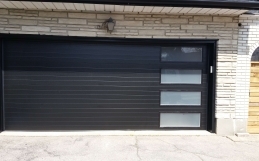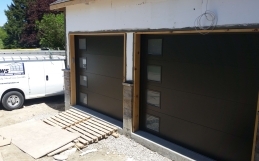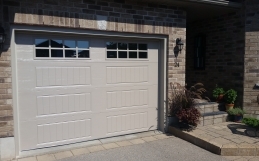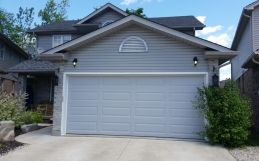
Choosing the right garage door is not just about appearance. Many homeowners face a common question during garage door installation: should they invest in insulation or opt for a simpler, non-insulated option? The answer often depends on climate, usage, and long-term expectations.
In regions with fluctuating temperatures, this decision carries more weight than most expect. At Wm. Haws Overhead Garage Doors, we regularly guide homeowners through this choice, helping them understand performance differences beyond initial cost. In this blog, we break down how insulated and non-insulated doors compare, where each works best, and what factors should influence your decision in real-world conditions.
The Core Difference Between Insulated and Non-Insulated Doors
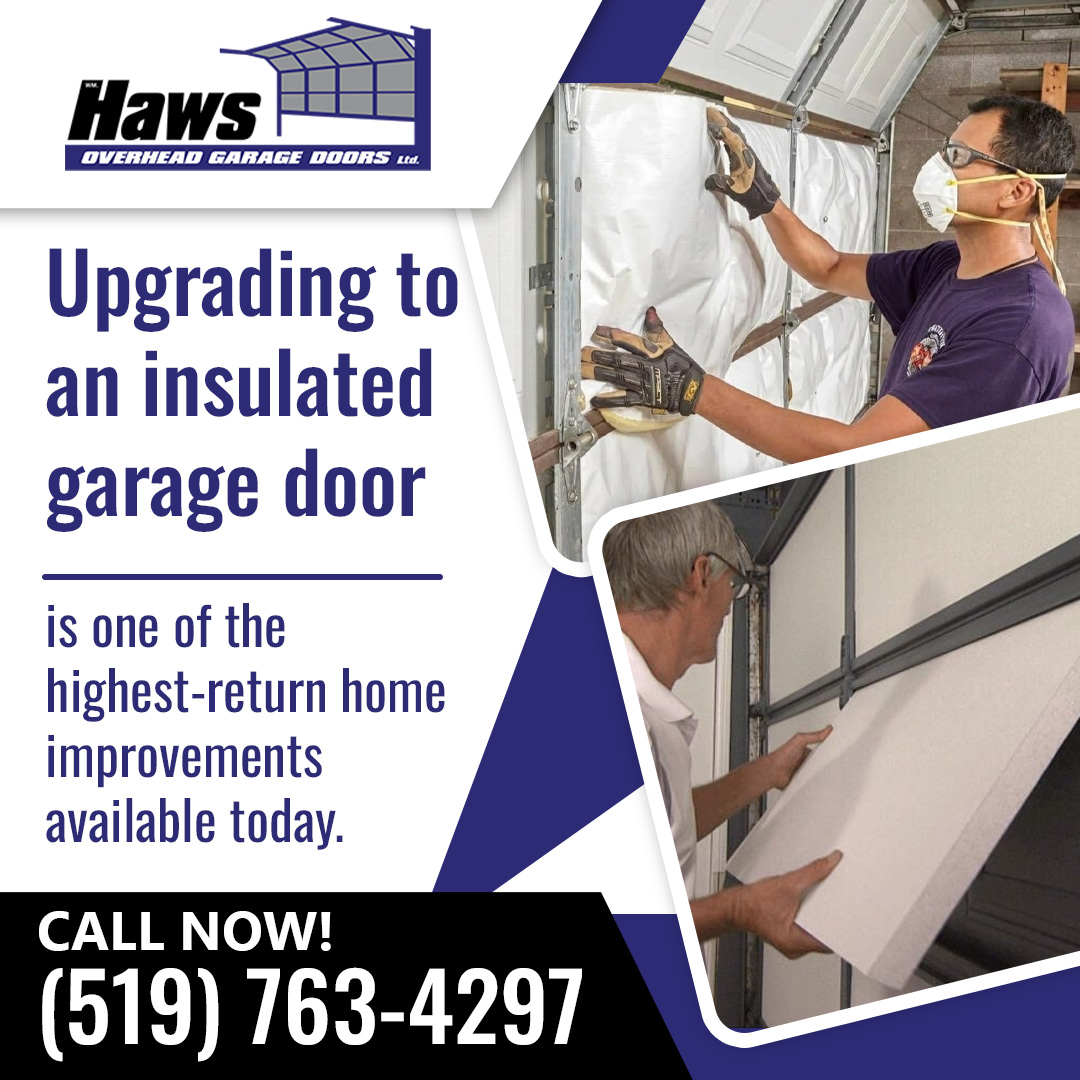
At a structural level, the difference lies in construction. Insulated doors are built with multiple layers, often including steel panels and a core material such as polyurethane or polystyrene. Non-insulated doors typically consist of a single steel or aluminum layer without added thermal protection.
Why Construction Matters in Daily Use
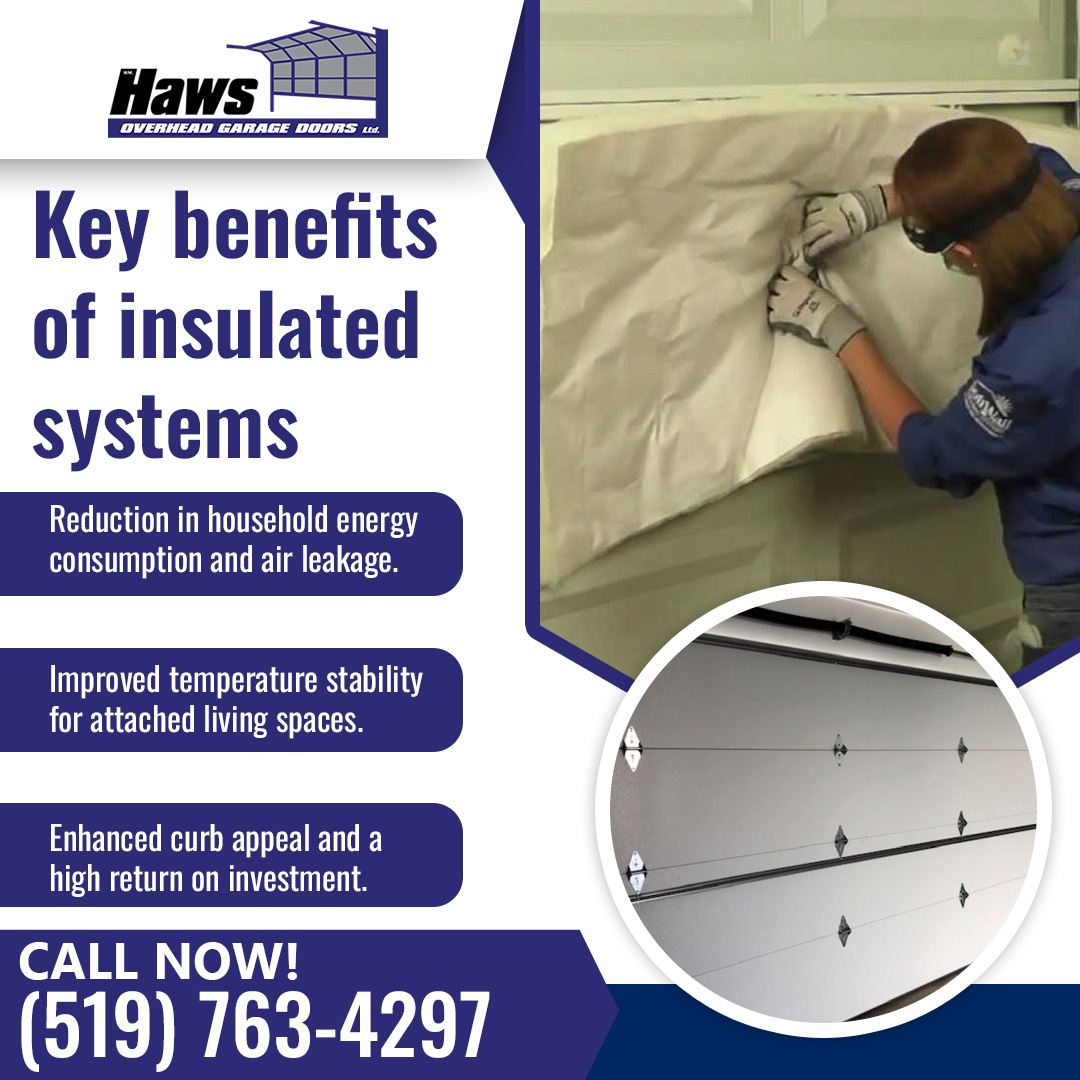
This layered design directly impacts durability and performance. Insulated doors tend to be quieter, stronger, and more resistant to dents. They also reduce vibration, which helps extend the lifespan of tracks and openers.
Non-insulated options, on the other hand, are lighter and often less expensive upfront. They are suitable for detached garages or spaces that are not used frequently. However, they lack the reinforcement that comes with multi-layer construction, which can lead to faster wear over time.
Real-World Installation Considerations
When we perform garage door installation services in Ontario, our team at Wm. Haws Overhead Garage Doors evaluates how the garage is used. If the space is attached to the home or doubles as a workspace, insulation becomes more than a comfort feature; it becomes a functional necessity.
Energy Efficiency and Climate Impact in Ontario
Ontario’s climate plays a major role in this decision. Winters bring freezing temperatures, while summers can introduce humidity and heat buildup. This makes thermal regulation a key factor.
How Insulation Affects Energy Consumption
Insulated doors help maintain more consistent temperatures inside the garage by slowing the natural flow of heat between warm and cold spaces. This matters because, as noted by the U.S. Department of Energy, heating and cooling can account for 50 to 70 percent of a home’s total energy use, with air leakage and poor insulation being major contributors to energy loss.
For homes with attached garages, this directly affects indoor comfort. When temperature differences exist, heat naturally moves toward cooler areas, which can increase strain on heating and cooling systems. Insulated doors help limit this transfer, reducing energy waste and maintaining a more stable environment between the garage and living space.
When Non-Insulated Doors Still Make Sense
There are scenarios where insulation may not be necessary. Detached garages used only for parking or storage may not benefit significantly from added thermal resistance. In these cases, a simpler option can still perform adequately without unnecessary investment.
When planning garage door installation in Guelph, we often assess insulation needs based on proximity to living areas and overall usage patterns.
Noise Reduction, Durability, and Daily Performance
Beyond temperature control, insulation also influences how a door performs over time.
Noise Levels and Vibration Control
Insulated doors operate more quietly. The internal core absorbs sound and reduces rattling during operation. This is especially important for homes where living spaces are located near the garage.
Non-insulated doors tend to produce more noise due to thinner materials and increased vibration. Over time, this can also affect hardware components.
Structural Strength and Longevity
Multi-layer doors are more resistant to impact damage. This is useful in areas with frequent use or where accidental contact may occur.
Reinforced door systems maintain their condition longer due to reduced structural fatigue. While both types require maintenance, insulated doors typically hold up better under repeated use.
Our team at Wm. Haws Overhead Garage Doors often sees fewer service issues on properly installed insulated systems compared to single-layer alternatives.
Cost vs Long-Term Value: What Homeowners Should Expect
Initial pricing often drives decision-making, but long-term value should not be overlooked.
Upfront Investment vs Operational Savings
Non-insulated doors usually cost less at the time of purchase. This makes them appealing for budget-conscious projects. However, they may lead to higher energy costs if the garage influences indoor temperatures.
Insulated doors require a higher initial investment but can offer savings over time. Reduced energy loss and fewer repairs contribute to overall value.
Property Value and Curb Appeal
Garage doors play a visible role in a home’s exterior. According to a remodeling industry report by Zondo Home, garage door replacement consistently ranks among the highest-return improvement projects, often taking the top position. It is followed by upgrades such as steel entry door replacement and manufactured stone veneer, with each delivering returns that can exceed the initial investment. This reinforces how strongly curb appeal influences property value in today’s competitive housing market.
When planning residential garage door installation in Guelph, Ontario, many homeowners consider how insulation contributes not just to performance, but also to perceived property value.
Installation Quality and Why It Matters More Than Door Type
The effectiveness of any garage door depends heavily on installation quality. Even the best insulated system will underperform if not installed correctly.
Precision in Fit and Sealing
Proper alignment ensures smooth operation and prevents gaps that allow air infiltration. Weather sealing must be installed accurately to support insulation benefits.
At Wm. Haws Overhead Garage Doors, we focus on making sure that each installation meets structural and functional standards. This includes checking alignment, tension systems, and opener compatibility.
Role of Professional Expertise
Working with experienced technicians reduces the risk of future issues. Wm. Haws Overhead Garage Doors provides complete solutions, including repairs, part replacements, opener installation, and preventative maintenance to support long-term performance.
Choosing professional garage door installation services makes sure that both insulated and non-insulated systems perform as intended.
What Homeowners Are Saying About Their Experience
Real-world feedback helps highlight how different door types and installation approaches perform over time.
Service Transparency and Professionalism
One homeowner shared that the repair process included detailed explanations about cable and spring failures. The technician maintained a professional attitude throughout the visit, ensuring the homeowner understood both the issue and the solution.
Clear communication from booking to completion played a key role in building confidence during the service process.
Timely Repairs and Fair Pricing
Another customer noted that repairs were completed ahead of schedule and at a fair cost. This type of efficiency is important when dealing with essential systems that affect daily routines. Reliable service reduces downtime and helps prevent further mechanical complications.
Benefits of Upgrading to Insulated Doors
A homeowner who upgraded from builder-grade doors reported noticeable improvements in winter comfort. The garage retained heat more effectively, making it more usable for projects and storage.
They also highlighted the value of working with a company that stands behind its work, reinforcing the importance of both product quality and installation expertise.
Key Takeaways
- Insulated doors provide better temperature control, quieter operation, and improved durability.
- Non-insulated options remain practical for detached or low-use garages.
- Climate conditions influence how effective insulation will be in daily use.
- Long-term savings often offset higher upfront costs for insulated systems.
- Proper installation determines overall performance and lifespan
Making the Right Choice for Your Garage Door
Selecting between insulated and non-insulated garage doors depends on how the space is used and the level of performance expected. Insulated options deliver clear advantages in efficiency, comfort, and durability, while non-insulated doors remain suitable for simpler applications.
We approach every project with a focus on practical outcomes. By assessing usage, environmental conditions, and structural needs, we help homeowners choose solutions that align with long-term goals.
If you are planning a garage door upgrade, working with our experienced professionals can ensure reliable performance and lasting value. Contact us today at (519) 763-4297 or wmhawsdoors@bellnet.ca to learn more about our professional garage door installation services in Ontario.